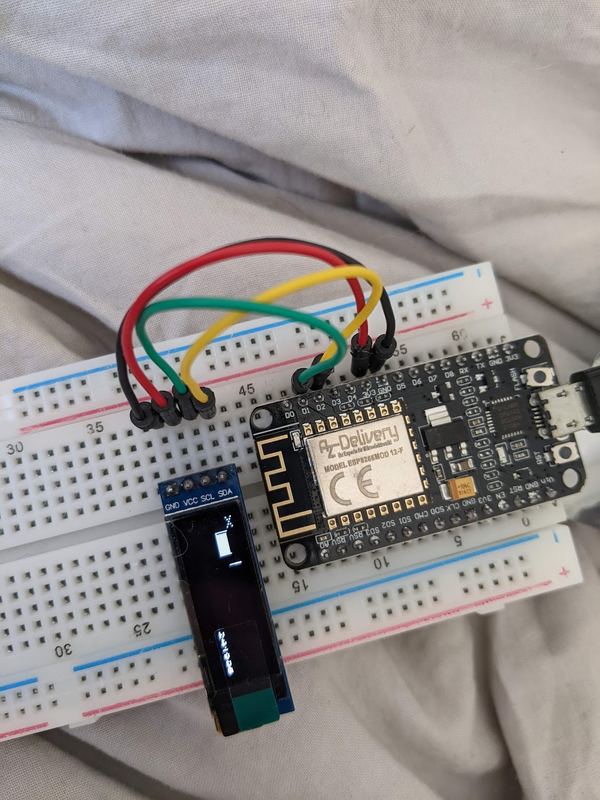
Arduino & first circuits
Breadboards, LEDs, buttons, sensors and displays. Ohm's law by doing, not by slides.
// electronics · radio · hands-on
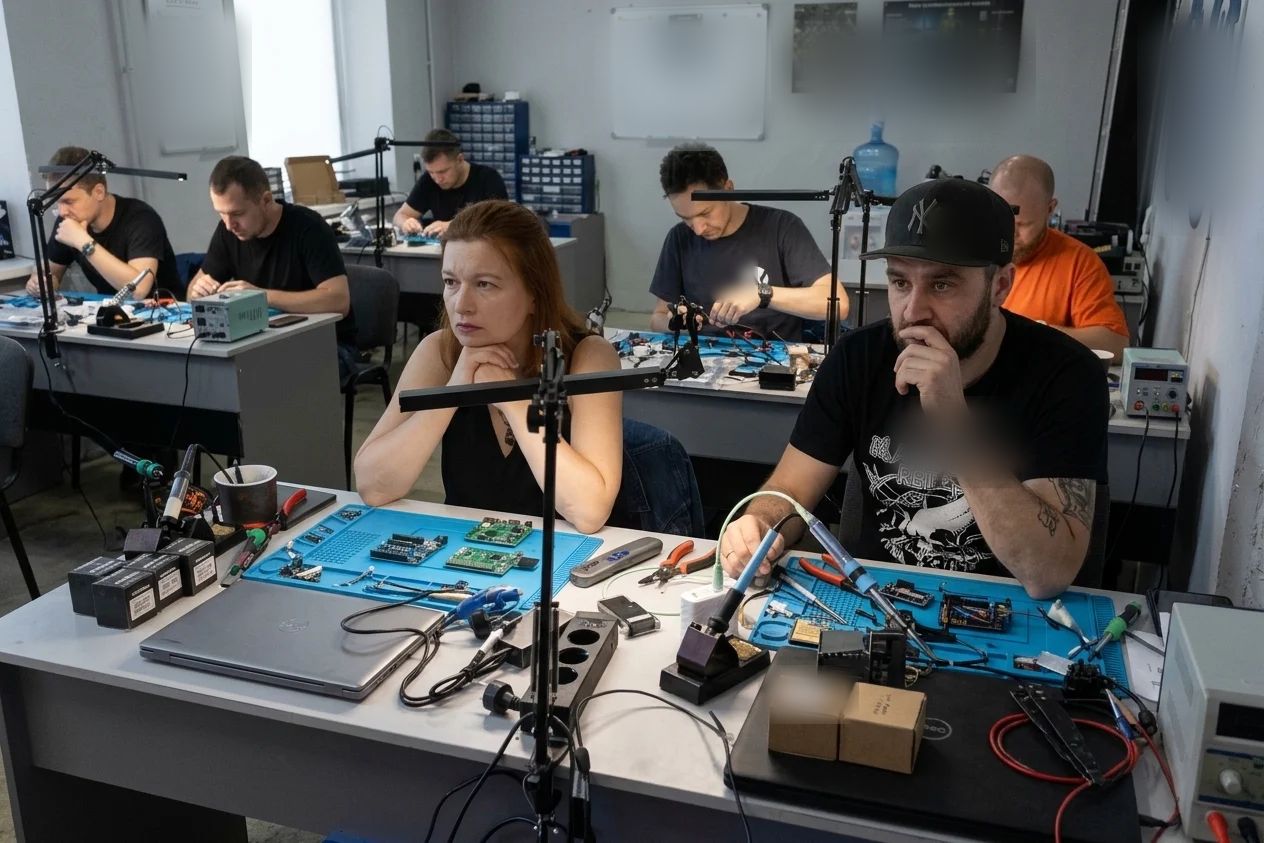
Practical workshops in embedded electronics and RF, run by engineers who design and build radio hardware for a living. At our workshop, or at your school, office or hall.
For
01 / Topics
Every session is hands-on: each person (or pair) gets a board, wires and instruments, and leaves with working code and notes.
From the first blinking LED to FPGAs and on-device AI.
Breadboards, LEDs, buttons, sensors and displays. Ohm's law by doing, not by slides.
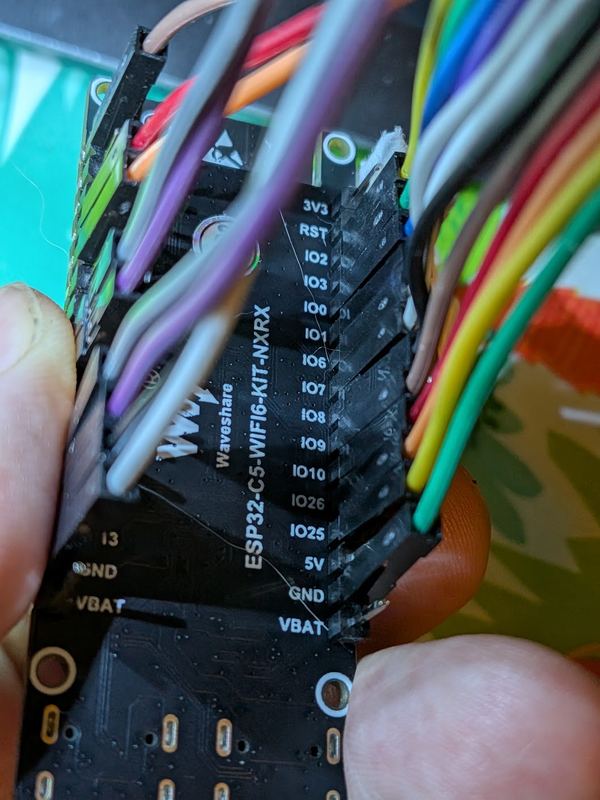
Wi-Fi, Bluetooth and web dashboards on a £10 board. Build a sensor that reports to your phone.
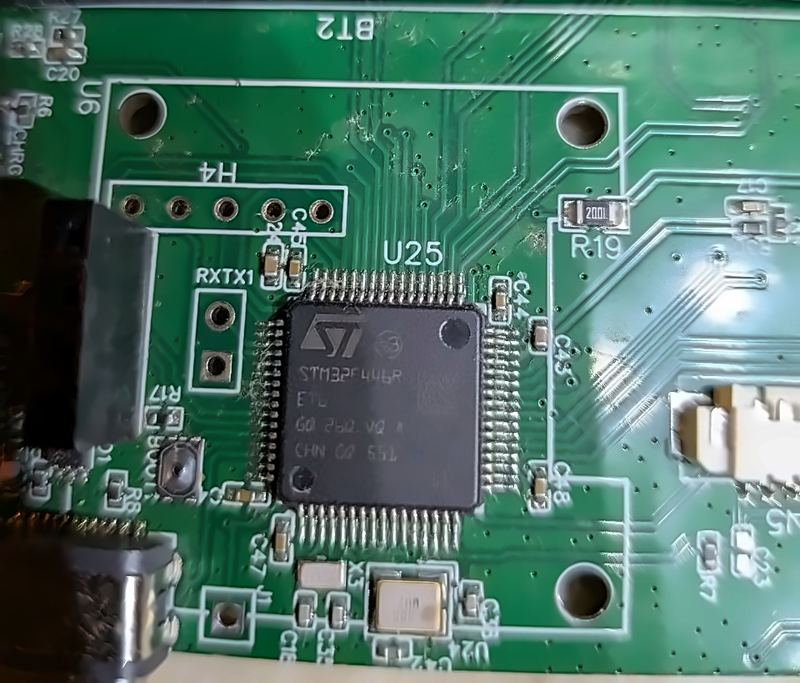
Registers, timers, interrupts, DMA and a real debugger. How professional firmware is actually written.
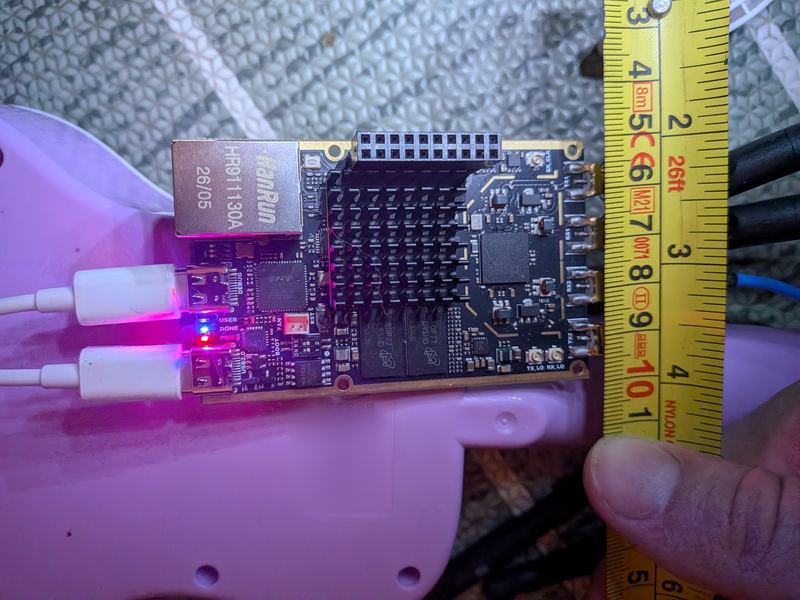
Receive FM, aircraft and weather satellites, then look inside: I/Q, filters, demodulators in Python and GNU Radio.
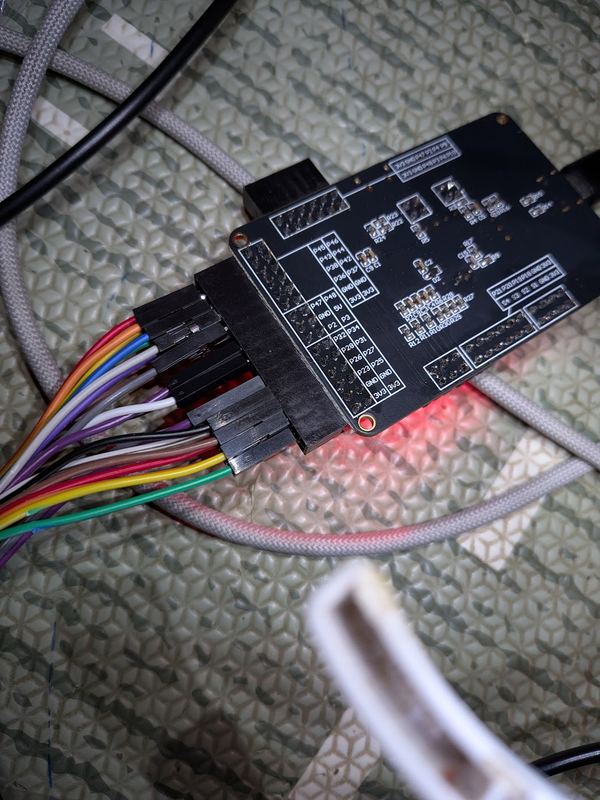
Think in hardware: Verilog, simulation, timing, and your design running on a real chip by the end of the day.
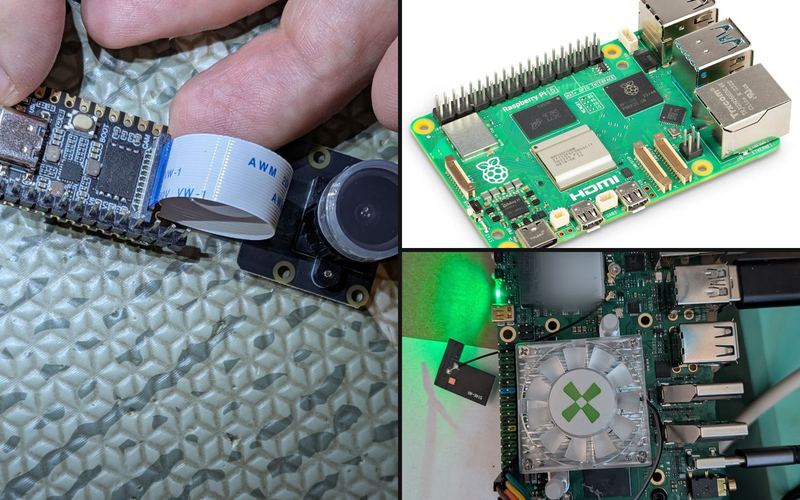
Run vision models at the edge: from Raspberry Pi to Radxa ROCK boards with NPUs and tiny RV1103 camera boards. Collect data, train, deploy, measure speed and power.
See the invisible: spectrum, links, antennas and protocols.
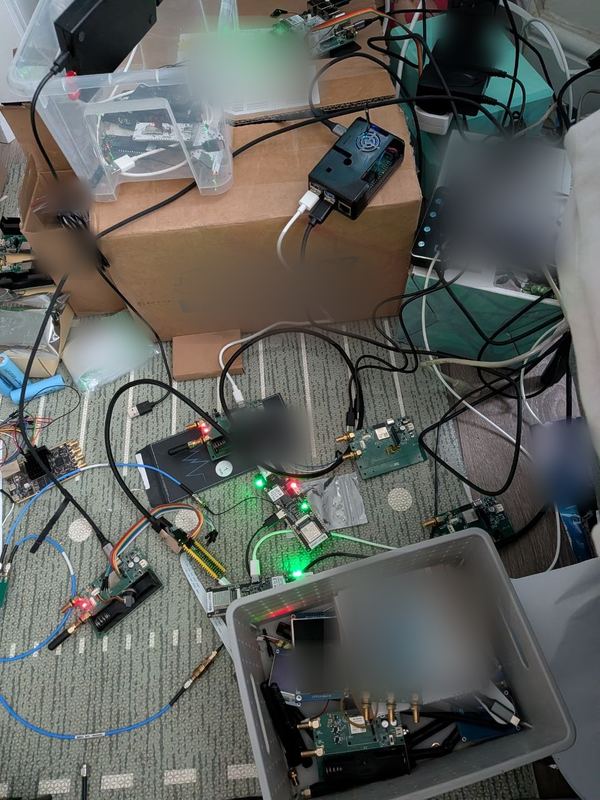
What fills the air around you? Wi-Fi, Bluetooth, ISM, cellular. Find, identify and measure signals with an SDR.
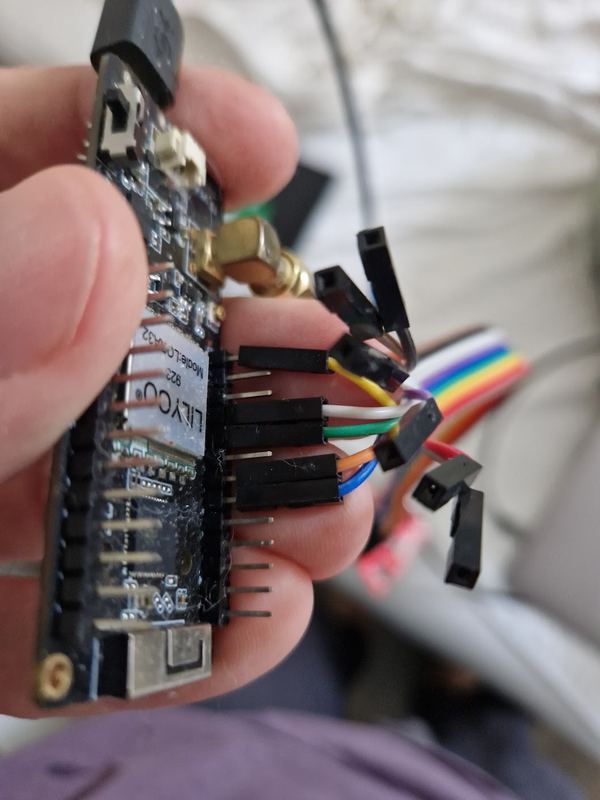
Build a long-range link, then measure it: link budget, spreading factor, range tests outdoors, mesh basics.
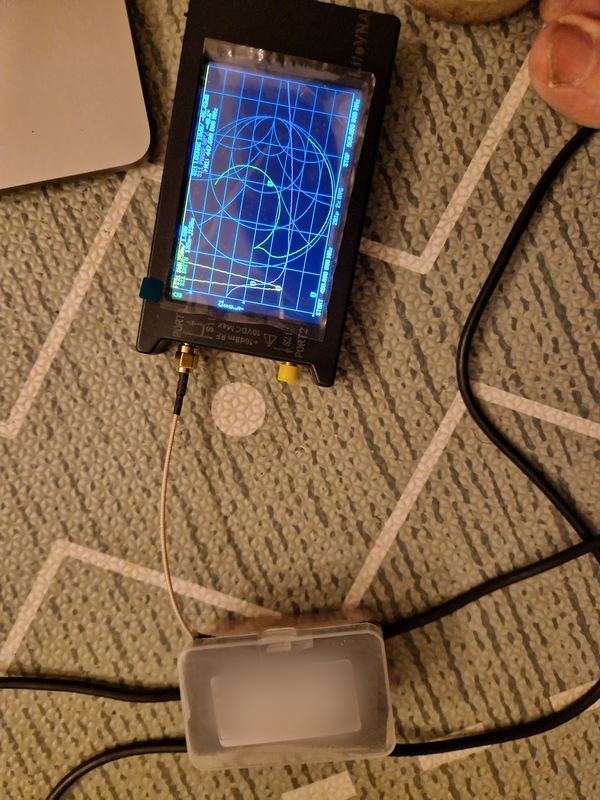
Smith charts without fear. Measure SWR and impedance, tune an antenna and match it, using pocket VNAs.
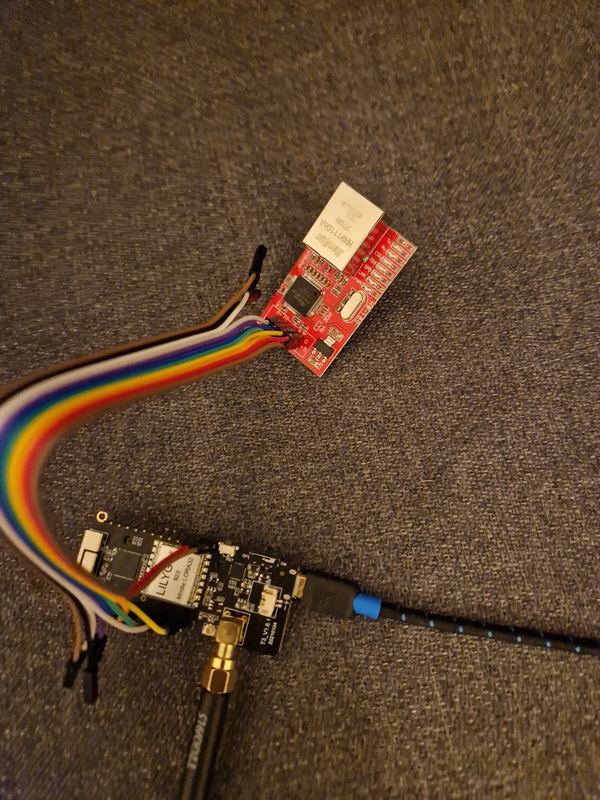
Sensor to gateway to cloud: MQTT, Ethernet and Wi-Fi gateways, power budgets and what breaks in the field.
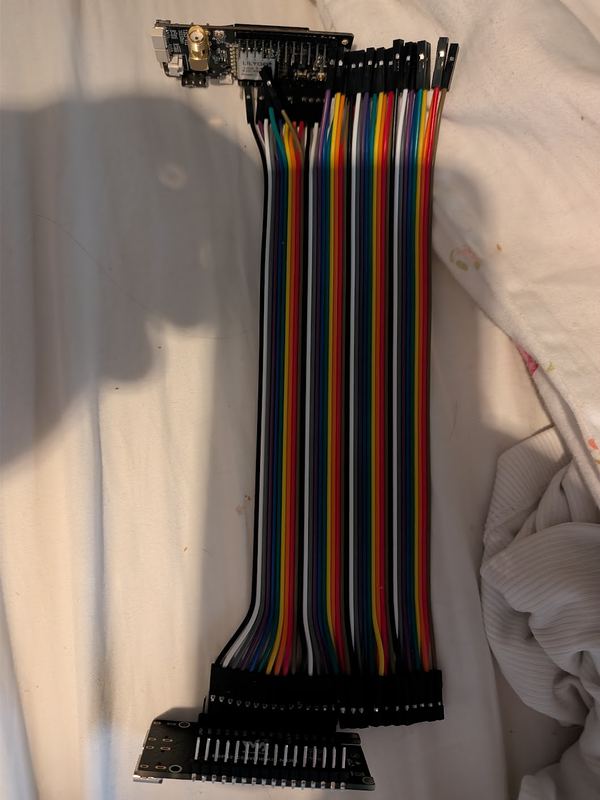
Advertising, GATT services and phone apps. Sniff and decode real Bluetooth Low Energy traffic.
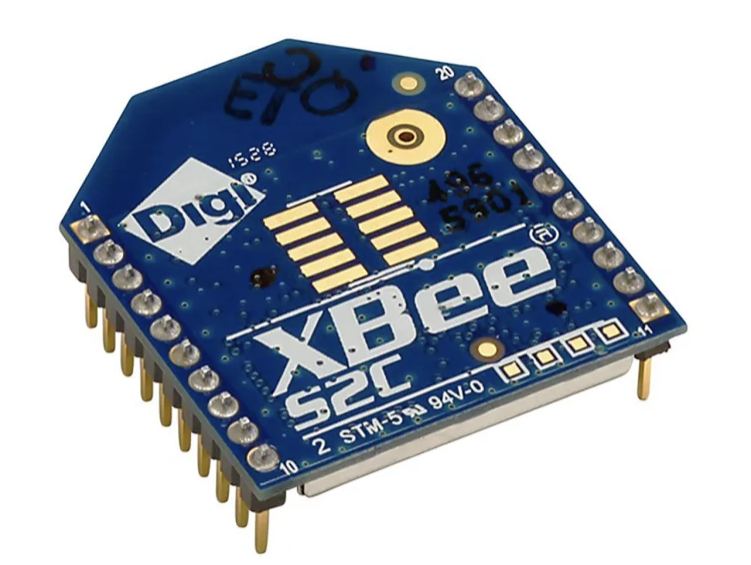
802.15.4 mesh networks for smart buildings: coordinators, routers, end devices and Home Assistant, built on ESP32 boards with Zigbee radios on chip.
Also on request: soldering & SMD rework, PCB design in KiCad, test equipment basics (scope, logic analyser, bench supply).
02 / Where & how
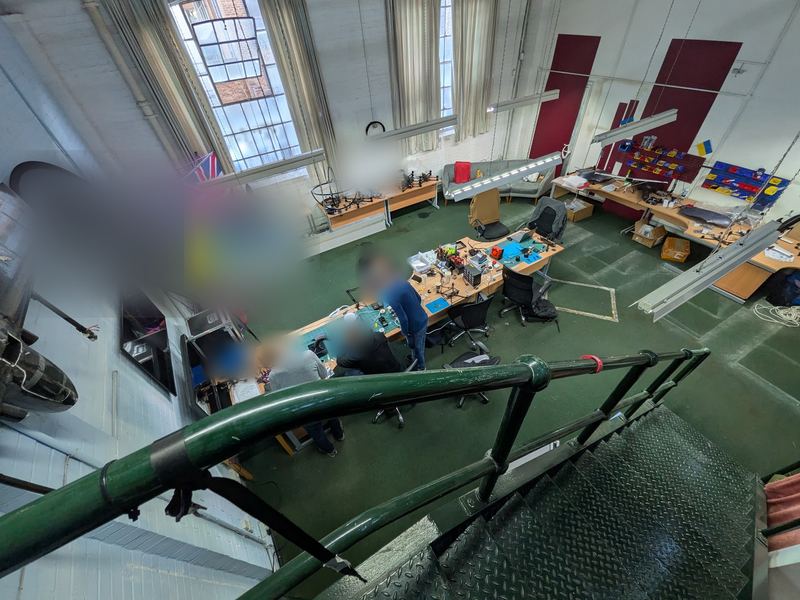
A fully equipped engineering space: soldering stations, scopes, SDRs, VNAs, spare parts and room to test outdoors. Best for deep-dive and multi-day sessions.
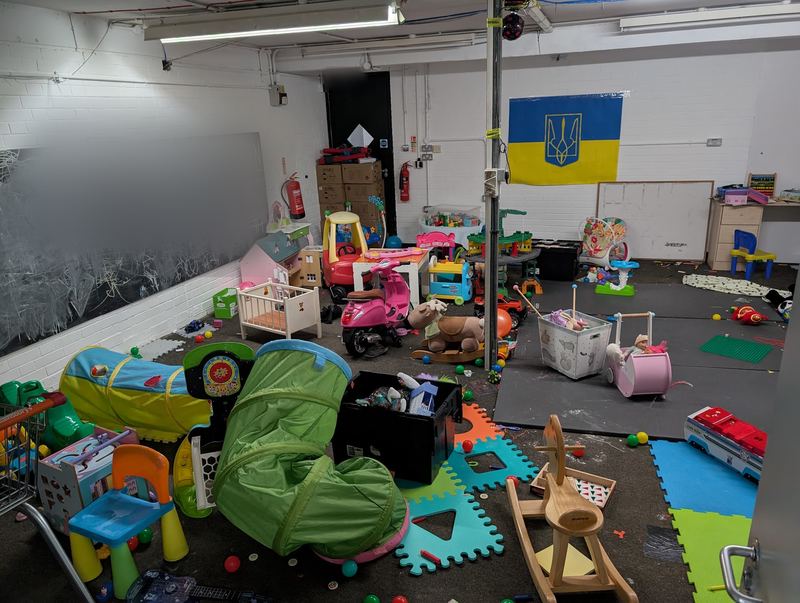
There is a kids' room on site. We don't provide childcare, but a group of parents can take turns keeping an eye on the children.
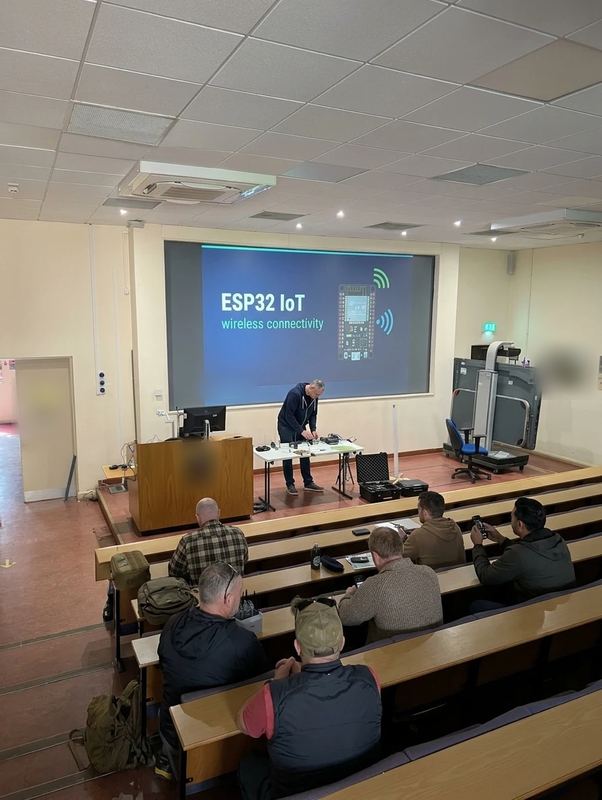
Classroom, lab, office, lecture theatre or hall. We bring the kits, instruments and spares; you provide tables and power.
Taster
One topic, one working result. Good for school clubs and team days.
Day
A topic in depth, from theory to a working build and measurements.
Deep-dive
A combined programme, e.g. SDR + antennas + LoRa link, ending in a field test.
Course
Regular sessions over a term for schools, universities and clubs.
03 / Who runs it
We are the team behind Drone Spices: we design, build and test our own radio hardware, from the pocket devices and IoT field sensors to video links and beacons. The workshops use the same tools and methods we use every day, and the same mistakes we've already made for you.
RF exercises stay legal: transmit work uses licence-free bands at permitted power, or runs over cable through attenuators.
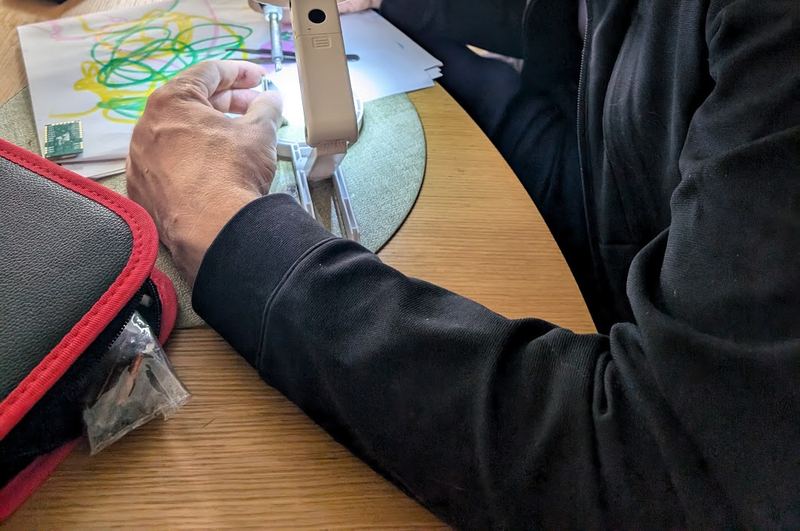
Young makers
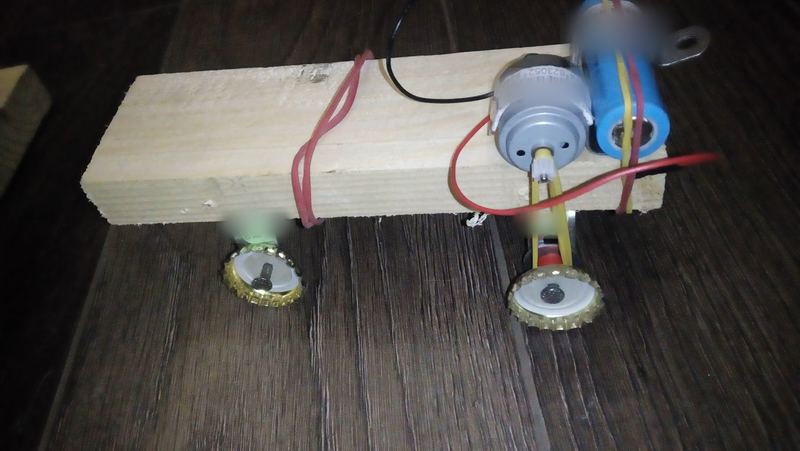
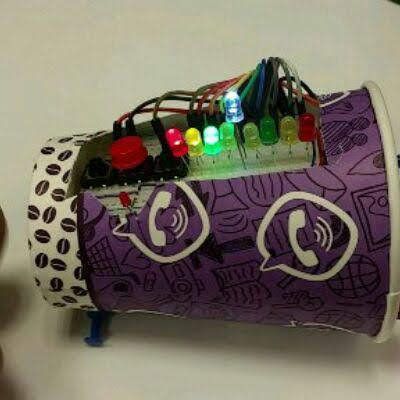
A car from a wooden block, bottle caps and a motor. A light-show from a paper cup and a row of LEDs. Short, safe, very hands-on sessions that turn "how does it work?" into "I made it work". Age range and content agreed with you.
Parents' workshops: come as a group and bring the kids. Our kids' room is next door, and you take turns keeping an eye on them (we don't provide childcare staff).
Ask about a kids' session →04 / FAQ
Not for beginner topics. For intermediate ones, basic programming helps; we'll suggest a level when you tell us who's coming.
At your place: tables, power sockets and, ideally, Wi-Fi. Participants can bring laptops; we can bring spare ones for small groups.
We keep groups small so everyone builds. Bigger groups are fine with more instructors. Tell us your numbers and we'll plan around them.
Yes. Mixing topics, or working on your own hardware and problems, is common, especially for engineering teams.
Yes. Receiving is unrestricted; transmitting stays in licence-free bands at permitted power, or is done over cable through attenuators.
It depends on topic, length, group size and location. Send us the details and we'll reply with a quote.
05 / Enquire
No commitment. A rough idea is enough; we'll reply by email with options.
Or email info@dronespices.co.uk